Financial Do’s & Don’ts Of a New Job
Starting a new job is exciting! Especially when it means more MONEY.

Starting a new job is the PERFECT time to check in on your finances - and re-evaluate your goals.
You might even see that annual salary and think - I’m rich!! Until you remember you have to pay taxes and health insurance and rent and groceries - adulting is expensive!
Whether it’s your first job, or a brand new job, in today’s post I’m going to walk you through all the financial dos and don'ts of starting a job, so your paycheck works for you - not the other way around.
Basic Spending Plan
Before accepting a job offer you need to figure out: will this salary give me the life I want?
An easy way to answer this is with a basic spending plan called the 50/30/20 rule.
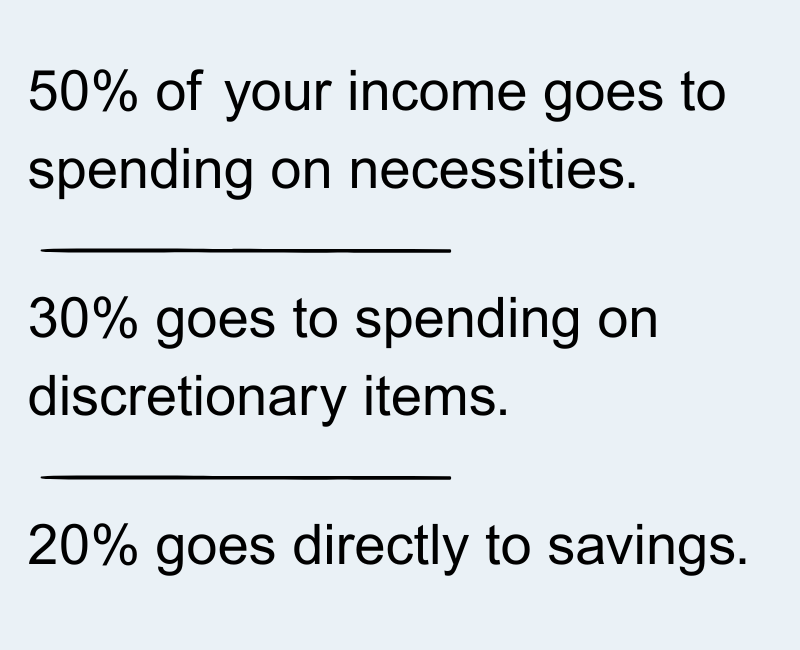
Creating a basic spending plan using the 50/30/20 rule is a great way to evaluate your salary offer.
The 50/30/20 rule isn’t a perfect model, but it’s a really good guideline to get your started. If there’s no way 50% of the salary will cover your necessities - you might want to keep looking.
Remember, this job is your means to support yourself.
So before accepting any job offer, run it through the 50/30/20 model real quick and see if it’s actually enough for you to live off of.
Negotiate
Now, even if you run the salary through the 50/30/20 model and it’s enough for you to live - you should STILL negotiate! (I mean, come on, who wouldn’t want more money?)
Negotiating your starting salary is the most important thing you can do before starting a new job, because it not only means more money now, but it also sets you up for higher raises and bonuses in the future.
That being said, it can be an incredibly daunting prospect that may make you wish you could wrestle with killer bees instead.
But here’s the thing: negotiating your starting salary is one of the most important financial decisions you can make - because your income will set the stage for the lifestyle you’re able to afford living.
It will definitely feel uncomfortable to you the first time you negotiate, but the hiring manager is expecting it. That’s why companies often lowball the initial salary offer or job listing because they’re expecting you to negotiate it up to their “real price”.
Also, don’t forget about other compensation benefits. Maybe they won’t budge on salary, but you can negotiate a signing bonus, more vacation days, or a transportation stipend - all of which are good benefits too.
So even if the idea of negotiating is terrifying to you - think about how GOOD future You will feel when she’s bringing home a bigger paycheck.
Financial DOs
Congratulations! Now that you’ve accepted an offer, it’s time to make some changes that will set you up for future financial success.
1. DO open a 401k & get the company match
If your company offers a 401k or 403b - use it!
It doesn’t matter how young or old you are, you should be saving for retirement NOW.
A 401k is also a great first retirement account, because you have the support of your HR team. If you’re confused about how to open the account or don’t understand what investments are available - just reach out to your HR team and ask. It’s their job to help you.
Also, if your company offers a match - get it!!
A company match is when YOU contribute to your 401k first, then the company matches your contribution up to a certain amount. For most companies it’s 3-4%.
For example, if you make $50,000/year and contribute 4% of your salary to your 401k - that’s $2,000 per year.
Your company will ALSO contribute $2,000 to your 401k - doubling your contributions to $4,000.
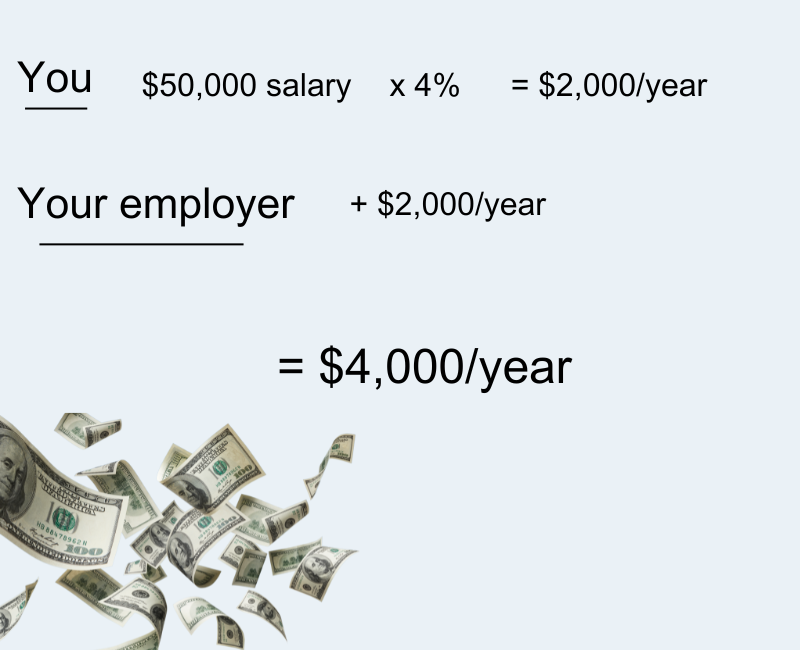
An employer 401k match is essentially “free money”. The catch is YOU have to contribute first.
The catch is YOU have to contribute first. Companies rarely make contributions unless you make them first.
So open your retirement account and contribute at least enough to get your employer’s match.
2. DO increase credit limit on your credit cards
This is one of the simplest things you can do to boost your credit score.
When you raise your credit limit, but keep your spending the same, it increases your credit score.
So call your credit card company using this script:
“Hi, I just got a new job/raise at work and now make (your new salary). Will you increase my credit limit to $ ___________.”
They will almost always say yes.
Pro tip: If you share living expenses with a partner, you can also include their income in the ask - helping you get a much higher credit limit.
3. DO build emergency savings
Right after you get a new job is a great time to build an emergency savings.
Add up all of your necessary monthly expenses - things that you literally CANNOT live without - and multiply that number x3. That’s your starting goal for an emergency savings account.
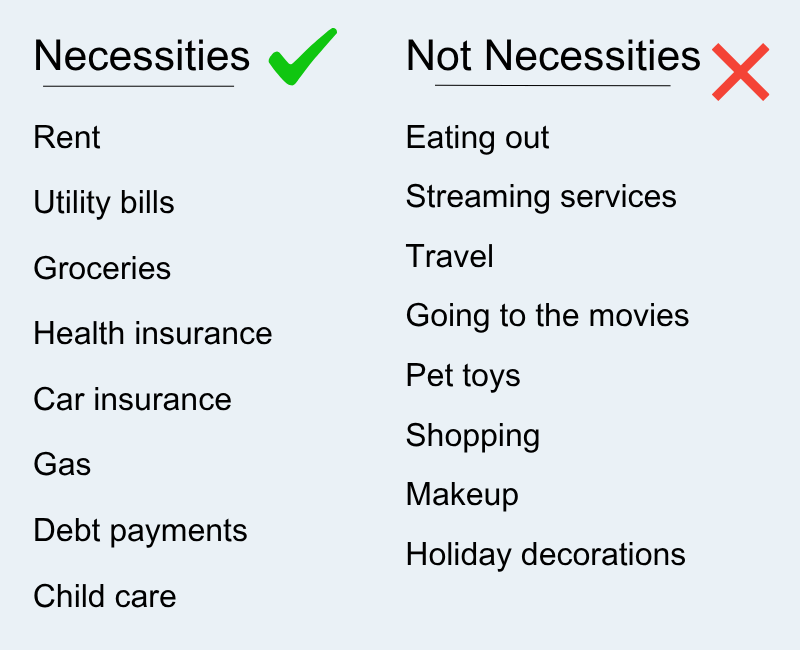
Your emergency fund should be 3-6 months of necessary expenses.
And if you’re thinking “I’m young and healthy, nothing’s going to happen” - you might be right!
But it’s better to have an emergency fund and not need it, than need it and not have it.
Pro tip: put your emergency savings in a high-yield savings account, which makes higher interest than a regular savings account. It will lighten the load on you a little and help your savings grow faster.
4. DO make a plan to pay off high interest debt
Most Americans have had debt at some point in their lives.
But you do NOT need to completely pause your life while paying off debt. You deserve to enjoy your life now, too!
That being said, you should always make your minimum payments, and if you have high-interest debt - anything over 7-8% - DO prioritize paying that off.
After you get a job and have a steady income, sit down and make a plan for how to pay off that debt.
Make a list of all of your debts - including the total amount, minimum payments and interest rates.
Then figure out how much extra you can pay per month and how long it will take you to pay off. There are a ton of debt payoff calculators online that can help you figure this out.
The sooner you pay off that high-interest debt, the sooner you’ll get more breathing room in your budget - which will help set you up for long-term financial stability.
Just remember to leave yourself a little money for free-spending. Feeling deprived in your budget can often have counter-intuitive effects that result in over spending down the line.
5. DO create goals for your money & life
Finally, after you get a new job DO start making real, specific goals for your money and your life.
Working a 9-5 can feel very monotonous at times. It’s easy to feel “stuck” and burnt-out.
Dreaming big and creating specific, attainable goals for your money helps break you out of the repetitive cycle and add color to your life.
Think of your job as a means to fund your life. What passions do you want to pursue?
Is there a dream vacation you can start saving for? A business you want to start? Or even just a new pair of shoes you want to buy?
Focusing on your goals can help pull you from the monotony of your job to focus on what it gets you instead.
Financial DON’TS
But there are also some common money mistakes people make when starting a new job - and they could be costing you money.
So before you get too comfortable with your new paycheck, here are some common pitfalls to avoid.
1. DON’T forget about company benefits
Company benefits these days often go far beyond health care and vacation days.
They may offer flexible work hours, remote work options, tuition reimbursement, wellness programs, or even pet insurance!
Pay attention to your Employee Benefits information so you can take advantage of everything your job has to offer. You don’t want to leave money sitting on the table by not utilizing those resources.
2. DON’T move
Next, don’t immediately move to a new home (unless your new job is in a different city).
When you get your first job, or a new job, it’s usually for more money than you’ve ever made in your whole life.
So it’s really tempting to use that new salary to upgrade your living situation, but try to stay in the cheapest living arrangements possible for just a little longer.
Housing costs are typically the largest single item in your budget, so if you can keep your housing costs low it will be so much easier to build your emergency fund, pay off high interest debt and start saving for retirement.
Try to stick it out in your current place for 6 months to a year. It’ll help you lay a great financial foundation, so when you do finally move into a nicer place, you’ll know you’re in a good financial position to actually afford it.
3. DON’T buy a brand new car or other big purchases
Similarly, don’t go buy a brand new car or spend on other big purchases right away.
Take advantage of the fact that you’re making more money now and boost your savings - or even take a fun vacation with your girlfriends - but don’t spend it on stuff or status items.
4. DON’T fall victim to lifestyle inflation
Finally, don’t get sucked into lifestyle inflation.
Lifestyle inflation happens when you make more money, so you spend more money. Basically your spending inflates to match your income.
This is why you hear about people making $250,000 a year saying they live “paycheck to paycheck” because they’re spending everything they make and have $0 in savings.
To a certain extent, lifestyle inflation is normal. If you’re making $250,000/year, you should not be living on beans and rice to “save money”.
But, hold out for as long as possible.
It is so much easier to upgrade your life, than downgrade.
If you immediately move to a larger home and then realize you can’t afford it, it will be so hard to move back to a smaller place.
If you get a brand new car, but then can’t make the car payments, it’s going to be incredibly difficult to get rid of that car and go back to driving something cheap.
So, just hold out as long as possible.
You can give yourself little upgrades here and there, but don’t do everything at once.
If you do, you’ll just end up with $0 savings, sky high credit card debt, and hating your life wondering how you got here.
Final Thoughts
Starting a new job is exciting! But it also comes with a lot of responsibility - and the decisions you make now will set the tone for your financial future.
So take the time to plan ahead, be intentional, and avoid the traps that can easily throw you off course.
Negotiate your salary, contribute to retirement, build your emergency fund, and stay grounded when it comes to your spending.
It’s not about being perfect—it’s about building strong habits so that your money supports a life you love living.
Because when you use your paycheck to build a life of stability, freedom, and joy, Future You will be so glad you did.
Action items:
Create 3-5 goals you have for your life. How can your job help you achieve them?
Build financial stability by saving an emergency fund, prioritize paying off high-interest debt, and opening a 401k for retirement.
Don’t immediately make big financial decisions after getting a new job. Don’t move to a bigger house and don’t buy any big-ticket items. Take advantage of your higher salary to build your financial stability first.

Katherine, founder of Imperfect Budget
Imperfect Budget is an educational platform built to help women align financial goals and free themselves from limiting money mindsets.
Want to know your money personality?
Take my FREE quiz to find out!
