Ditch These 5 “Normal” Money Habits to Improve Your Finances
These five money habits may seem normal (because everyone does them!) - but they are quietly draining your bank account and holding you back from reaching your goals.
1. “It’s only $5”
The first habit that’s sabotaging your finances is ignoring small purchases because “it’s only $5”.
These are the sneaky purchases that slip in without us even realizing it.
They’re the extra muffin at the coffee shop, the pack of gum in the checkout line, the new pair of earrings from Target when you only went for shampoo.

The $5 purchases may seem innocent, until you reach the end of the month wondering… where did all my money go??
The problem here isn’t actually the $5 you spend, it’s the intention of your spending.
You should never feel shame over buying a $5 latte every day, if that’s something you love doing.
However, the impulsive $5 purchases seem innocuous because they’re so small, but they add up over time.
Before long, you get to the end of the month and wonder “Where did my money go?”, without realizing it all went towards paying for things that you don’t even care about.
So, practice being mindful with your spending. Before tapping your credit card, just ask yourself - “Do I really want or need this?” - if the answer is yes, buy it! If it’s no, put it back and save yourself the money.
2. Spend now, pay later
The second habit that’s sabotaging your finances is spending before you know how to pay.
This can look like a couple different things.
It may mean doing a Buy Now, Pay Later plan with a retailer, where you pay for something in installments because you can’t afford the full price tag.
It could be putting something on a credit card when you know you can’t pay it off, and taking on the debt.
Our consumerist society promotes and enables these kinds of behaviors because it wants you to buy, buy, buy. It will allow you to do nearly anything to get that instant gratification of purchasing.
But, anytime you buy something without knowing where the money is coming from, you’re putting your financial stability at risk.
This doesn’t mean you can’t buy things, because buying things is fun! It just means, plan ahead.
If you want a new phone, save money every month until you can buy it in full.
If you want to take a vacation to Bermuda, don’t just put it on a credit card.
Christmas comes on the same day every year. Start a gift fund that you contribute to all year, so you already have money when the holidays roll around.
Be thoughtful and intentional with your money, not reactive and impulsive.
3. Buying things just because they’re on sale
The next habit that’s sabotaging your finances is buying things because they’re on sale.
Sales are great - when you’re already planning on buying something.
But if you’re buying it because it’s on sale, you’re not saving money, you’re actually losing money.
Look at it this way, let’s say I go to TJ Maxx to buy some new sweaters because my old ones are worn out. I find a sweater I like and it’s on sale! Great - I’m saving money on something that I was already going to buy.
But then I think, “Maybe I’ll just go see what kind of jackets they have”. I don’t need a new jacket, but I find a cute one that’s 25% off and decide to buy it.
I didn’t actually save money. I spent 75% of the price of the jacket on something I didn’t need.
So yes, shop sales on things you need (or want) to save you money. But, be aware of the selling gimmicks that stores use to make you think you want something that you don’t.
4. Getting take-out
Next, picking up take-out instead of cooking at home is sabotaging your finances.
Eating out is a major expense, and picking up take-out 3x a week can cost you thousands of dollars a month.
With that in mind, I’m not going to tell you to eliminate take-out. I’m going to remind you, once again, to be intentional with your spending.
If you know that every Friday night you come home from work too tired to cook, why not pick up something easy to prepare from the grocery store? You’ll save yourself a lot of money.
On the other hand, if you and your partner order take-out from your favorite Indian restaurant every week and have a cozy Friday night date night catching up on your favorite series - that’s wonderful! Add the expense into your budget and keep your date night.
My point is... don’t buy take out only because you have no other options for eating. It’s way too expensive for that.
When you buy it, buy it deliberately so you can enjoy spending that money.
5. Always choosing the cheapest option
The final habit that is sabotaging your finances is always choosing the cheapest option.
In today’s fast-fashion and consumerist world, the cheapest options often wear out quickly and need to be frequently replaced.
That’s when you should consider cost-per-use.
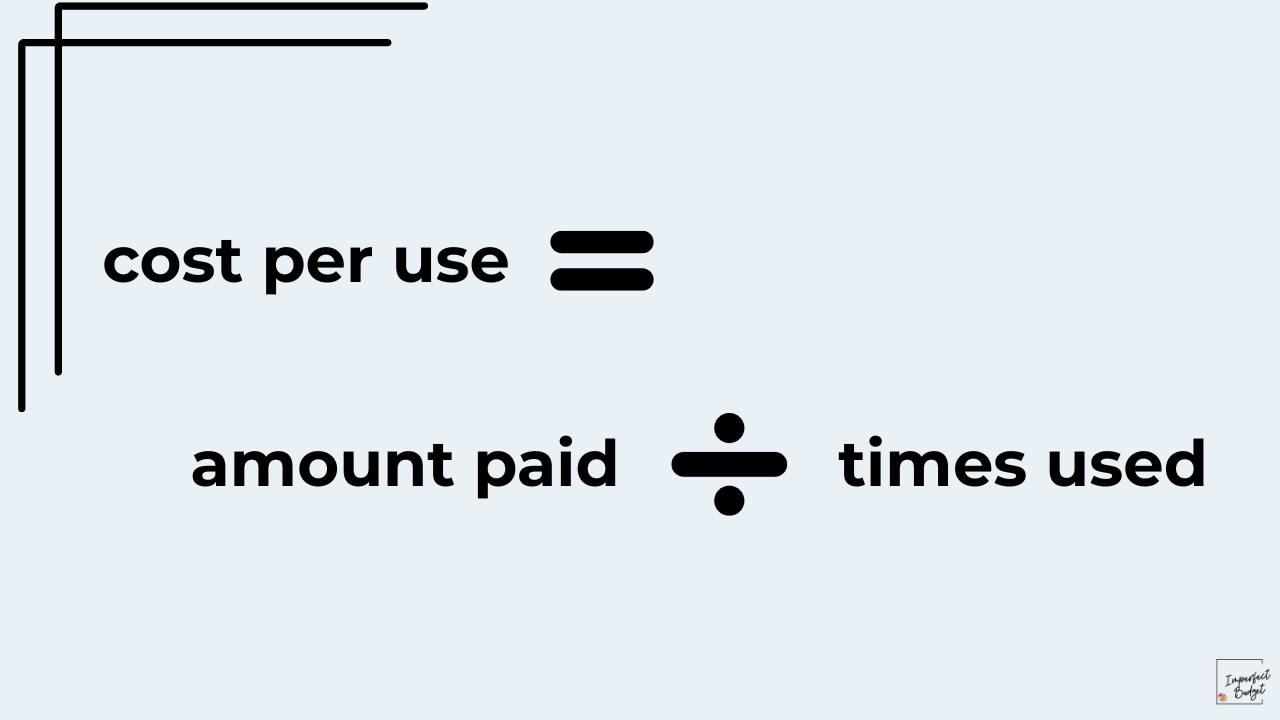
Cost per use helps you figure out the true cost of a purchase.
For example, if I buy a $20 pair of running shoes at Target they may last me 2 months. That comes out to $10/month of use.
But, if I buy the $100 pair of shoes at my local running store, they’ll last me at least a year. That comes out to only $8/month, making it cheaper for me in the long term.
This doesn’t mean you should always buy the most expensive item, but it’s worth doing some research. Ask yourself: Would a higher quality item last me longer? Is this something I would use frequently to get the full value out of it?
Don’t just mindlessly choose the lowest-cost item and assume it’s the “cheapest”.
Final thoughts
These habits may seem “normal”, but they add up over time and eat away at your ability to reach your goals, without you even realizing it.
The key here is awareness and intentional spending. Don’t let leaks in your budget keep you from achieving the things you really want.
And always make purchases with your bigger financial goals in mind.
Action steps:
Practice mindful spending. Before you buy anything ask yourself, “Do I want or need this?”
Don’t buy anything that you don’t know how to pay for. Even a small amount of credit card debt can take years to climb out of.
Plan your meals. Take-out is way too expensive to be used as a last resort for dinner.
Your life may not be perfect, but it is imperfectly yours. The only way to live it is your way.

Katherine, founder of Imperfect Budget
Imperfect Budget is an educational platform built to help women align financial goals and free themselves from limiting money mindsets.
Want to know your money personality?
Take my FREE quiz to find out!
